For a more simplified version, check out the video on our YouTube Channel.
Key Points:
- The increase in blood plasma volume provides the framework which many of the other adaptations build upon.
- The system responsible for regulating plasma volume is the Renin-Angiotensin-Aldosterone System (RAAS).
- Greater blood plasma volume increases stroke volume.
- Improving the sweat rate and content can increase performance.
- Autonomic nervous system adaptations allow for reduced glycogen depletion.
- Enhancements in skin blood flow can reduce cardiovascular strain.
- The mechanism by which heat training can increase hemoglobin mass is not yet fully understood.
Introduction
As with most exercise physiology areas, heat training induces adaptations across a wide range of body systems, with lots of integration occurring. Heat is a stressor that we can manipulate to force the body to adapt. These adaptations allow for greater performance in hot conditions but also carry over to normal conditions. This article will look at how adaptations occur, and how they can increase performance.
How the Body Increases Blood Plasma Volume
The increase in blood plasma volume is the foundation in which many of the other heat training adaptations build upon. Blood plasma is the fluid component of blood, made up of 91-92% water [1]. It transports many essential nutrients that are crucial for exercise: glucose, amino acids, fatty acids, and electrolytes. More relevantly, it influences stroke volume and cardiac output, and provides the water necessary for sweat production. (Sweat production is covered in our previous article, here)
The system responsible for regulating plasma volume is the Renin-Angiotensin-Aldosterone System (RAAS) [2]. To initiate this system, the enzyme renin must be released into the bloodstream. It's stored in the juxtaglomerular cells in the kidney, and its release can be stimulated in a few different ways. However, we are only interested in the ways that are related to heat training. A heat training protocol that provides adequate stimulus will stimulate the release of renin in two different ways. Firstly, the dehydration that occurs from large amounts of sweat production reduces blood volume, leading to less blood flow through the kidney. Juxtaglomerular cells are located in the walls of blood vessels in the kidney. They can act as mechanoreceptors, detecting the amount of stretch in the vessels itself. Less blood flowing through the blood vessel means less stretching occurs. The lack of stretch in the juxtaglomerular cells results in the release of renin. Secondly, the sodium lost in sweat can also trigger the release of renin. Macula densa are a group of specialised cells in the kidney that can detect the sodium concentration of tubular fluid (filtered blood that is on route to become urine). After a loss of sodium during your heat training, the macula densa will communicate the low sodium concentration to the juxtaglomerular cells, triggering the release of renin.
Now we have a higher concentration of renin in the blood. Renin cleaves (cuts) angiotensinogen (a protein released into the blood by the liver), into a smaller molecule, angiotensin I. Angiotensin I travels in the blood to the lungs. Here, angiotensin-converting enzyme (ACE) converts it into angiotensin II, an active peptide hormone. Angiotensin II acts on the kidneys to increase sodium reabsorption into the bloodstream. Angiotensin II also acts on the adrenal glands (located above the kidneys), stimulating the release of the hormone aldosterone. Aldosterone also increases sodium reabsorption into the blood. The net result is a higher sodium concentration in the blood. To maintain osmotic balance, water follows sodium into the blood. Now you have more water entering the blood rather than being excreted as urine, thus increasing blood plasma volume. Additionally, angiotensin II acts on the pituitary gland in the brain to stimulate the release of antidiuretic hormone (ADH) [3]. ADH also increases the amount of water reabsorption in the blood, but unlike aldosterone and angiotensin II, it does this independently of sodium. Instead, ADH increases the number of aquaporins (channels that allow water to flow through them) in the kidney, making the walls more permeable to water. Therefore, water flows back into the bloodstream, further increasing blood plasma volume.
Additionally, heat training stimulates the liver to produce a protein called albumin, releasing it into the bloodstream. Albumin exerts oncotic pressure (pulls water into the blood) [4]. Therefore, a higher concentration on albumin results in greater blood plasma volume.
Your body also has a way in which it increases the supply of water so that greater reabsorption into the bloodstream is possible. Both Angiotensin II and ADH act on the hypothalamus of the brain to increase thirst, thus increasing water intake (if you choose to listen to your body).
Why Does an Increase in Blood Plasma Volume Improve Endurance?
If we think back to one of our previous blog posts “Why You Perform Worse in the Heat”, where we discussed the negative impacts of reduced plasma volume on endurance performance, we can reverse these reasons to see why increasing plasma volume has a positive impact.
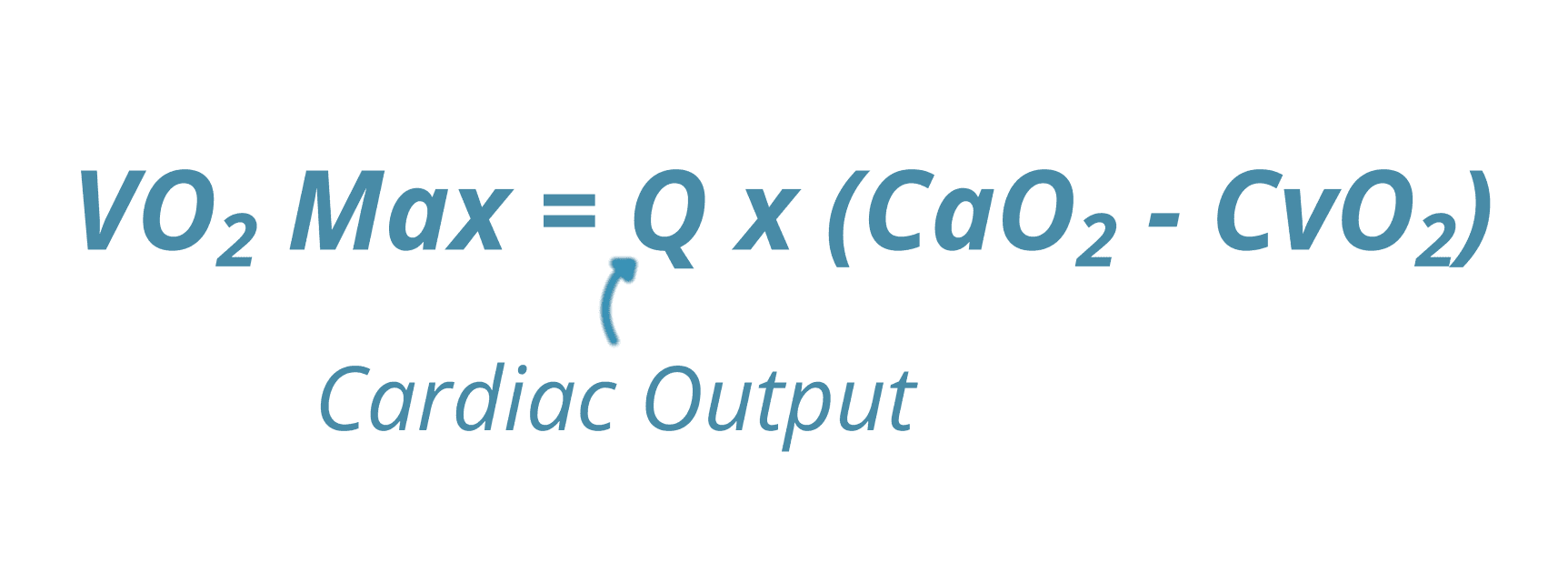
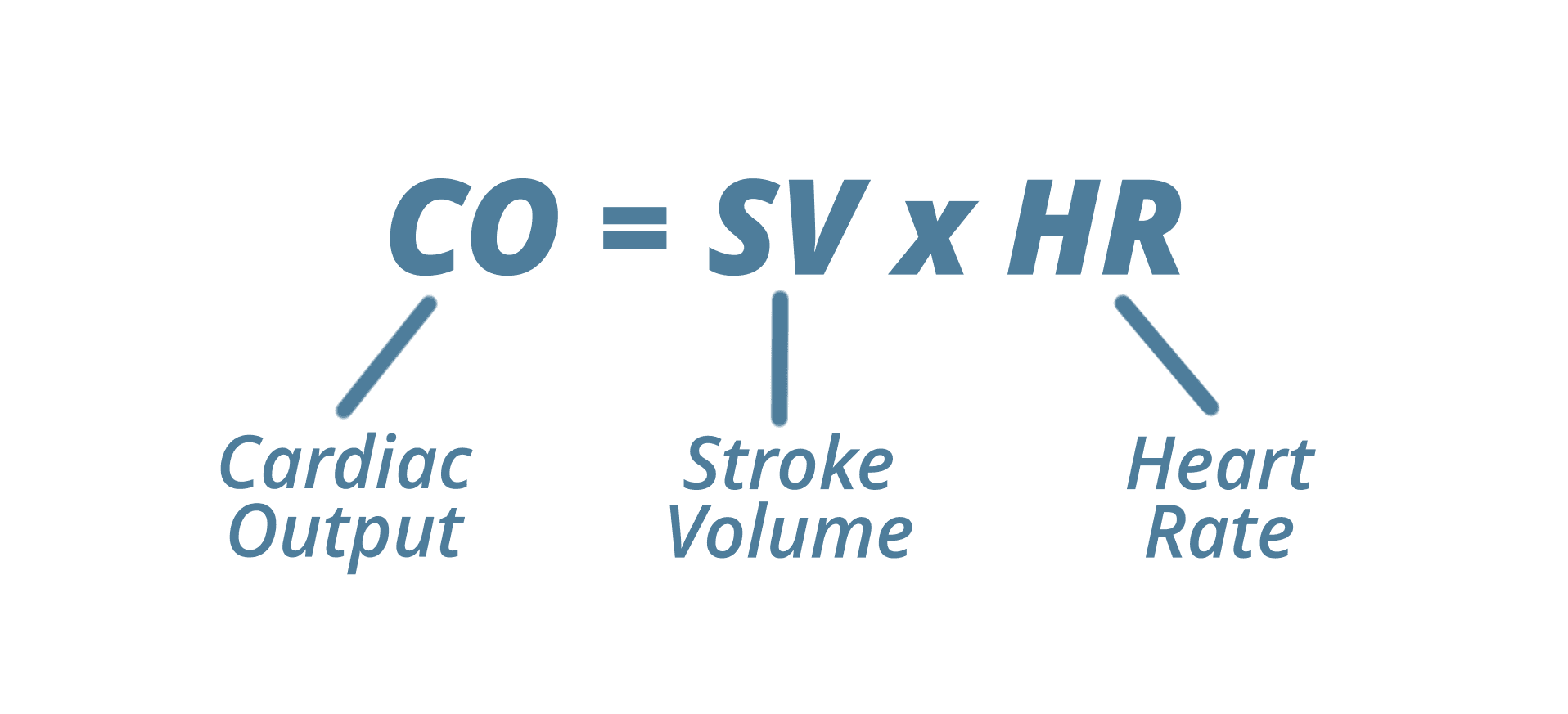
Increasing the volume of blood increases stroke volume. Stroke volume is the amount of blood ejected from the heart with each beat. This can be explained by the Frank-Starling law, which is the observation that stroke volume increases as preload increases (amount of stretch in the heart muscle fibres before they contract) [5]. Preload increases with venous return (the amount of blood returning to the heart). With increased plasma volume, the venous return is raised, increasing preload, and therefore increasing stroke volume. As stroke volume is a determinant of cardiac output, a higher stroke volume can increase VO₂Max (See Figure 1).
Additionally, as mentioned previously, sweat production takes water from the blood. If you have a higher plasma volume, you have more total water available to be used for both sweat production and exercise performance. This delays the onset of dehydration, especially when exercising in the heat.
You might notice an increase in body weight due to the increase in blood volume. Although weight increase will vary significantly between individuals, it is likely to be between 0.1-0.5 kg. This is usually unnoticeable amongst normal day-to-day fluctuations in bodyweight, and the performance increase vastly outweighs the weight gain. Furthermore, you might also notice a drop in the maximum heart rate you are able to reach. If you use heart rate zones, then they may all need to be adjusted downwards slightly (2-5% decrease is the average from our observations).
Sweat Rate and Sweat Content
Sweat rate and sweat content (concentration of electrolytes) can vary significantly between individuals [6], [7]. Improving the sweat rate and content can increase performance but is only possible with the increased plasma volume mentioned above.
Heat training results in the earlier onset of sweating and a higher sweat rate. An earlier onset of sweating is due to both central and peripheral adaptations. The central adaptations are an increased sensitivity of thermoreceptors and hypothalamus, to changes in temperature [8]. The peripheral adaptations are an increase in sweat gland function, likely from increased sensitivity to the signals coming from the hypothalamus [9], [10]. The combination of these adaptations results in a smaller increase in body temperature needed to activate the sweat glands. For example, instead of your individual sweat production threshold being 38.8 °C core body temperature, it may now be 38.2 °C. In addition to this, heat training increases the size of your sweat glands, resulting in a higher sweat rate by increasing the output per gland [11]. Both the earlier onset, and increased rate of sweating, contribute to improved performance by preventing excessive rises in core temperature, thus reducing strain on the cardiovascular system.
Heat training can also reduce the sodium concentration of sweat, i.e. sweat becomes more dilute [12]. Much like its function in the kidney, aldosterone increases sodium reabsorption in the sweat glands. Heat training is likely to increase the sensitivity of the sweat glands to aldosterone, meaning less is needed to dilute sweat [13]. Coupling this with the increase in aldosterone that occurs at the beginning of heat training results in a much more dilute sweat. Limiting the amount of sodium lost in sweat reduces the likelihood of heat exhaustion/stroke and muscle cramping. Additionally, it may also ensure optimal coordination of muscle contraction, preserving cycling/running efficiency at higher temperatures.
Autonomic and Metabolic Adaptations
As mentioned in our previous article, heat stress can induce faster glycogen depletion by increasing epinephrine (adrenaline). Over the course of a heat training protocol, your body gets accustomed to the stress that's being imposed on it. This results in a lower sympathetic drive, meaning less epinephrine is released [14], [15]. This increases performance by sparing glycogen stores and lowering heart rate at a specific power output. Reducing reliance on carbohydrates and maintaining a greater cardiac reserve allows you to prolong and/or increase power output. This gain may not only be due to a reduction in the sympathoadrenal system's sensitivity to temperature, but could also be due to a lower core/muscle temperature being reached due to the better cooling mechanisms from heat training. Reduced perceived exertion is also linked to this adaptation. If you have less feeling of overheating then you will most likely perform better, and have lower epinephrine release. Whether the perceptual gains are due to being accustomed to heat stress, lower body temperature (due to better cooling), is irrelevant as it wouldn't change the design of a heat protocol either way.
Skin Blood Flow
The body not only lowers temperature by sweating, but also via increasing blood flow at the skin surface. This results in heat loss via convection and radiation. Heat training induces a few different adaptations than can increase the amount of heat lost via this mechanism, thus limiting/delaying the rise in core body temperature.
Vasodilation is the widening of blood vessels. If a blood vessel is widened, more blood travels through that vessel. When exercising in the heat, vasodilation of the skin blood vessels only occurs when core body temperature reaches a threshold (differs per person). Heat training can decrease this threshold, meaning skin blood flow starts to increase at a lower temperature [16].
Vasodilation occurs when the sympathetic nervous system releases the acetylcholine, a neurotransmitter (messenger molecule). Acetylcholine (ACh) acts on the endothelium (the inner lining of the blood vessels), resulting in the release of Nitric Oxide (NO). NO causes the smooth muscle walls of the blood vessels to relax, resulting in vasodilation. Heat training has been shown to increase the sensitivity of the endothelium to ACh [17]. This means that, when heat acclimatised, the same amount of ACh results in more NO release and therefore greater vasodilation.
It's important to clarify that heat acclimatisation does not increase the maximum vasodilation that can be achieved by a blood vessel, but these mechanisms increase the onset and efficiency of skin blood flow. This increases performance by reducing the rise in core body temperature earlier, reducing cardiovascular strain (the heart doesn't have to pump as hard to maintain skin blood flow), lowering the risk of dehydration and overheating.
Hemoglobin Mass
Hemoglobin (Hb) is a protein in red blood cells that carries oxygen. As mentioned in our previous article, the increase in blood plasma volume from heat training has the potential to cause hemodilution. Hemodilution leads to a lower hematocrit (the amount of blood that is made up of red blood cells). This would lower the oxygen delivery capacity per unit of blood. However, the increase in stroke volume usually exceeds or at least matches this deficit; therefore, oxygen delivery is increased or maintained. Additionally, although dependent on protocol design, some heat training studies have shown that it can induce an increase in Hb mass [18]. A higher Hb mass increases the oxygen carrying capacity of the blood, having a positive benefit on performance in both hot and cool conditions.
Although there are still gaps and inconsistencies in the current scientific research, the most plausible explanation for the increase in hemoglobin mass is that heat training increases erythropoietin (EPO) [19]. EPO is a hormone produced by the peritubular cells of the kidney and is responsible for stimulating the production of red blood cells [20]. More red blood cells means higher hemoglobin mass, therefore increasing the oxygen carrying capacity per unit of blood. Usually, EPO is induced by hypoxia (low levels of oxygen in the blood). Hypoxia-inducible factors (HIFs) can detect oxygen levels. When levels are low, they increase EPO production.
The proposed mechanisms by which heat training can increase EPO are outlined below [19]:
- Stabilisation of HIFs: HIFs are made up of two subunits: HIF-α and HIF-β [21]. HIF-α is degraded in the presence of oxygen but in hypoxic conditions it becomes stable. When HIF-α is degraded, it cannot induce EPO production. This is the mechanism by which hypoxia controls EPO production. Interestingly, the pathways activated by heat stress may prevent the degradation of HIF-α, stabilising it in normal oxygen levels, thus increasing EPO production independently from hypoxia.
- Localised Tissue Hypoxia in the Kidney: As mentioned previously, heat stress directs blood away from the working muscles. However, this also redirects blood away from the kidney [22]. With sufficient heat stress, this reduced blood flow through the kidney could result in localised tissue hypoxia. This local hypoxia could be amplified further by the fact that the sodium reabsorption, mentioned earlier, has been shown to increase oxygen consumption [23]. This could theoretically increase EPO production without having the whole body in hypoxic conditions.
- 'Critmeter' Theory: A theory proposed by Rønnestad et al., suggests that the reduced hematocrit created by the larger plasma volume is responsible for the increased hemoglobin [18]. The theory is that the body wants to keep the hematocrit within a specific range (~45%). When the hematocrit is lowered, due to dilution from increased blood plasma, the body stimulates EPO production to increase hemoglobin mass and therefore raises the hematocrit back into the specific range.
Summary
Blood plasma volume underpins many of the other adaptations. Without the increase in blood plasma volume, earlier skin blood flow, higher sweat rate, would simply just impose a greater cardiovascular strain rather than helping. It may also play a part in the increase of hemoglobin mass (Critmeter Theory). Therefore, it is crucial to centre heat training protocols around this adaptation and ensure adequate electrolyte and fluid replenishment. Future articles on this topic will be looking at devising the ideal heat training protocol, as well as helping you decide if heat training is a good option for your individual goals.
References
- Mathew, J., Varacallo, M. and Sankar, P. (2023). Physiology, blood plasma. [online] Nih.gov. Available at: https://www.ncbi.nlm.nih.gov/books/NBK531504/.
- Fountain, J.H., Lappin, S.L. and Kaur, J. (2023). Physiology, renin angiotensin system. [online] National Library of Medicine. Available at: https://www.ncbi.nlm.nih.gov/books/NBK470410/.
- Cuzzo, B. and Lappin, S.L. (2023). Vasopressin (antidiuretic hormone, ADH). [online] National Library of Medicine. Available at: https://www.ncbi.nlm.nih.gov/books/NBK526069/.
- Kissling, L.S., Akerman, A.P. and Cotter, J.D. (2019). Heat-induced hypervolemia: Does the mode of acclimation matter and what are the implications for performance at Tokyo 2020? Temperature, 7(2), pp.1-20. doi:https://doi.org/10.1080/23328940.2019.1653736.
- Delicce, A.V. and Makaryus, A.N. (2023). Physiology, Frank Starling Law. [online] Nih.gov. Available at: https://www.ncbi.nlm.nih.gov/books/NBK470295/.
- Baker, L.B. (2017). Sweating Rate and Sweat Sodium Concentration in Athletes: A Review of Methodology and Intra/Interindividual Variability. Sports Medicine, [online] 47(S1), pp.111-128. doi:https://doi.org/10.1007/s40279-017-0691-5.
- Lara, B., Gallo-Salazar, C., Puente, C., Areces, F., Salinero, J.J. and Del Coso, J. (2016). Interindividual variability in sweat electrolyte concentration in marathoners. Journal of the International Society of Sports Nutrition, 13(1). doi:https://doi.org/10.1186/s12970-016-0141-z.
- Barry, H., Chaseling, G.K., Moreault, S., Sauvageau, C., Behzadi, P., Gravel, H., Ravanelli, N. and Gagnon, D. (2020). Improved neural control of body temperature following heat acclimation in humans. The Journal of Physiology, 598(6), pp.1223-1234. doi:https://doi.org/10.1113/jp279266.
- Buono, M.J., Martha, S.L. and Heaney, J.H. (2009). Peripheral sweat gland function is improved with humid heat acclimation. Journal of Thermal Biology, 34(3), pp.127-130. doi:https://doi.org/10.1016/j.jtherbio.2008.11.006.
- Lee, J.-B., Kim, T.-W., Shin, Y.-O., Min, Y.-K. and Yang, H.-M. (2010). Effect of the Heat-exposure on Peripheral Sudomotor Activity Including the Density of Active Sweat Glands and Single Sweat Gland Output. The Korean Journal of Physiology and Pharmacology, 14(5), p.273. doi:https://doi.org/10.4196/kjpp.2010.14.5.273.
- Sato, F., Owen, M., Matthes, R., Sato, K. and Gisolfi, C.V. (1990). Functional and morphological changes in the eccrine sweat gland with heat acclimation. Journal of Applied Physiology, 69(1), pp.232-236. doi:https://doi.org/10.1152/jappl.1990.69.1.232.
- Oberholzer, L., Siebenmann, C., Mikkelsen, C.J., Junge, N., Piil, J.F., Morris, N.B., Goetze, J.P., Meinild Lundby, A.-K., Nybo, L. and Lundby, C. (2019). Hematological Adaptations to Prolonged Heat Acclimation in Endurance-Trained Males. Frontiers in Physiology, 10. doi:https://doi.org/10.3389/fphys.2019.01379.
- Kirby, C.R. and Convertino, V.A. (1986). Plasma aldosterone and sweat sodium concentrations after exercise and heat acclimation. Journal of Applied Physiology, 61(3), pp.967-970. doi:https://doi.org/10.1152/jappl.1986.61.3.967.
- Febbraio, M.A., Snow, R.J., Hargreaves, M., Stathis, C.G., Martin, I.K. and Carey, M.F. (1994). Muscle metabolism during exercise and heat stress in trained men: effect of acclimation. Journal of Applied Physiology, 76(2), pp.589-597. doi:https://doi.org/10.1152/jappl.1994.76.2.589.
- Febbraio, M., Snow, R., Stathis, C., Hargreaves, M. and Carey, M. (1996). Blunting the rise in body temperature reduces muscle glycogenolysis during exercise in humans. Experimental Physiology, 81(4), pp.685-693.
- Roberts, M.F., Wenger, C.B., Stolwijk, J.A. and Nadel, E.R. (1977). Skin blood flow and sweating changes following exercise training and heat acclimation. Journal of Applied Physiology, 43(1), pp.133-137. doi:https://doi.org/10.1152/jappl.1977.43.1.133.
- Lorenzo, S. and Minson, C.T. (2010). Heat acclimation improves cutaneous vascular function and sweating in trained cyclists. Journal of Applied Physiology, 109(6), pp.1736-1743. doi:https://doi.org/10.1152/japplphysiol.00725.2010.
- Rønnestad, B.R., Hamarsland, H., Hansen, J., Holen, E., Montero, D., Whist, J.E. and Lundby, C. (2020). Five weeks of heat training increases haemoglobin mass in elite cyclists. Experimental Physiology, 106(1). doi:https://doi.org/10.1113/ep088544.
- Jenkins, E.J., Edgett, B.A., Hughes, M.G., Tremblay, J.C. and Stembridge, M. (2025). Mechanisms of haemoglobin mass expansion following heat stress. The Journal of Physiology. doi:https://doi.org/10.1113/jp288997.
- Schoener, B. and Borger, J. (2024). Erythropoietin Stimulating Agents. [online] PubMed. Available at: https://www.ncbi.nlm.nih.gov/books/NBK536997/.
- Brahimi-Horn, M.C. and Pouyssegur, J. (2009). HIF at a glance. Journal of Cell Science, 122(8), pp.1055-1057. doi:https://doi.org/10.1242/jcs.035022.
- Chapman, C.L., Johnson, B.D., Parker, M.D., Hostler, D., Pryor, R.R. and Schlader, Z. (2020). Kidney physiology and pathophysiology during heat stress and the modification by exercise, dehydration, heat acclimation and aging. Temperature, [online] 8(2), pp.108-159. doi:https://doi.org/10.1080/23328940.2020.1826841.
- Fredrik Kiil, Aukland, K. and Refsum, H.E. (1961). Renal sodium transport and oxygen consumption. American Journal of Physiology, 201(3), pp.511-516. doi:https://doi.org/10.1152/ajplegacy.1961.201.3.511.